Inner Brisbane suburbs surge as buyers abandon outer sprawl
While the broader Brisbane market cools, pockets of resilience are emerging in established precincts within 10km of the CBD, bucking the national trend.
While the broader Brisbane market cools, pockets of resilience are emerging in established precincts within 10km of the CBD, bucking the national trend.
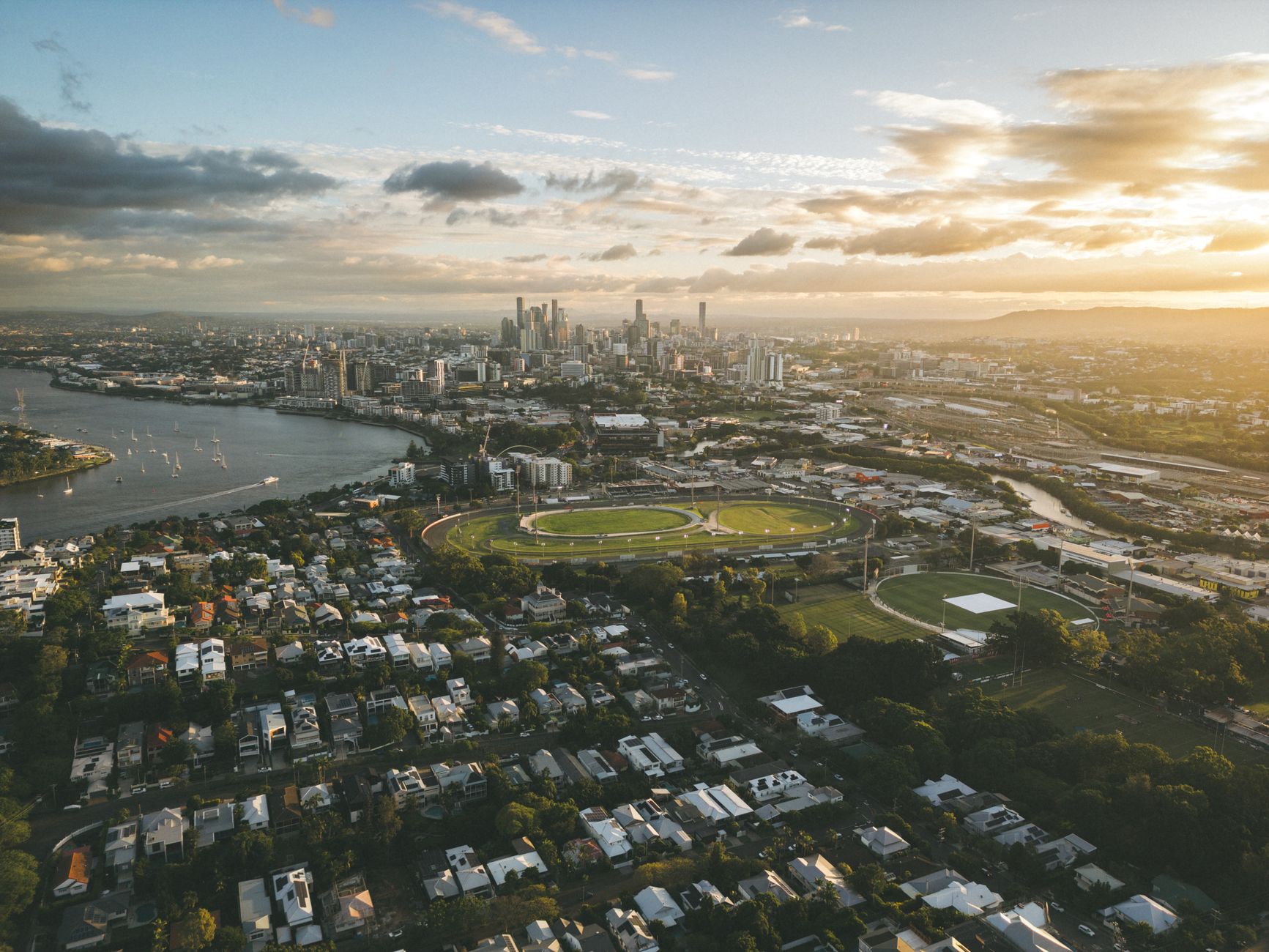
Brisbane's property market is experiencing a tale of two cities. As median prices across the wider region settle around $780,000—down from recent peaks—savvy buyers are gravitating toward inner-ring suburbs where fundamentals remain surprisingly strong.
Data from recent sales activity reveals a striking divergence. While outer suburbs like Springfield and Flagstone have seen price corrections of 6–8% over the past nine months, established neighbourhoods within the 10-kilometre ring are holding their ground. Suburbs including Paddington, Fortitude Valley, and New Farm have experienced modest price growth or stabilisation, with many properties changing hands within 2–3% of asking price—a sign of genuine buyer conviction.
Real estate agents working across South Brisbane point to shifting buyer preferences as the primary driver. "We're seeing a fundamental reset in what buyers value," explains one local agent active in the Southside corridor. "The pandemic-era appetite for sprawling new estates has cooled dramatically. People are reconsidering commute times, proximity to amenities, and walkability."
The post-Olympics infrastructure legacy is playing a quiet but meaningful role. Improved public transport connections and the urban renewal push around New Farm and Teneriffe have made these traditionally bohemian precincts increasingly attractive to families and young professionals priced out of the inner west. Properties along Fortitude Valley's emerging riverside precinct are particularly sought-after, with median values hovering near $950,000 for three-bedroom townhouses.
Northside suburbs including Clayfield and Ascot—historically overlooked by Brisbane's cognoscenti—are experiencing unexpected momentum. Relatively affordable entry points ($650,000–$750,000 for period homes) combined with quality schools and village-style main streets have reignited interest among interstate migrants relocating from NSW and Victoria.
However, analysts caution against reading too much into pockets of strength. The broader correction is real: Brisbane's median house price has declined for the first time in three and a half years, and the national trend toward price falls across all capitals suggests headwinds remain. Interest rate expectations and rental yield pressures continue to weigh on investor sentiment.
For buyers, the current environment presents opportunity. Inner-ring suburbs offer a sweet spot—established neighbourhoods with character, proximity to employment and lifestyle amenities, and prices that reflect genuine market value rather than speculative froth. For sellers in outer precincts, however, patience may be the only strategy.
The Brisbane market's next chapter will likely be written by those who can distinguish between temporary noise and genuine value.
This article was compiled by AI and screened before publishing. See our editorial standards.
Sponsored
Lorem ipsum dolor sit amet, consectetur adipiscing elit. Reach engaged Brisbane readers with sponsored placements that look and feel like the rest of the paper.
Become a partner →Daily Network
About this article
Published by The Daily Brisbane
Daily brief
Free, in your inbox before 7am. Weekdays.
More from The Daily Brisbane


