For years, Brisbane renters have enjoyed a comfortable advantage: paying significantly less each month than their mortgage-holding peers. But new market analysis suggests that equation is tipping, with implications for first-home buyers and investors alike.
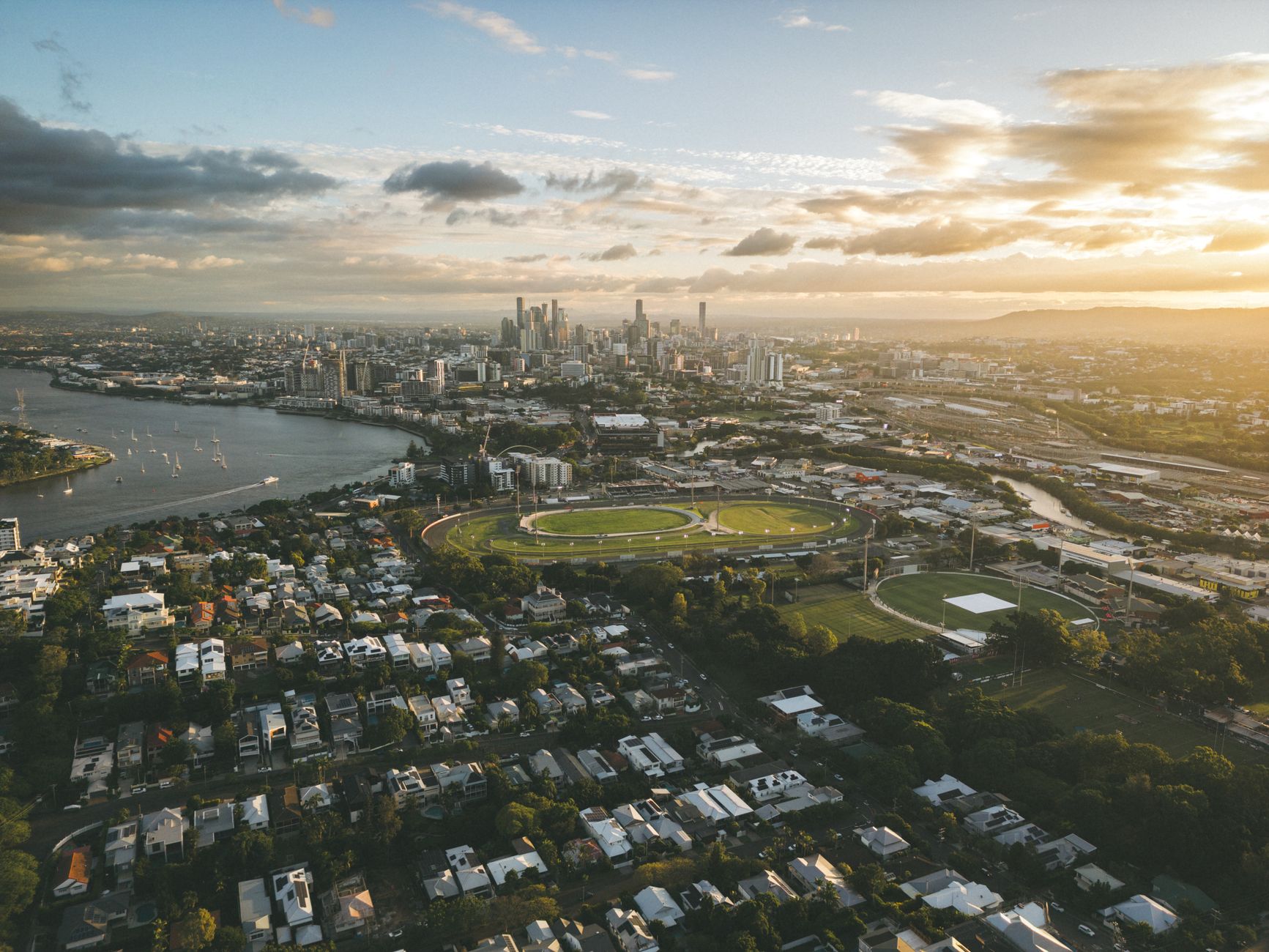
The shift is most pronounced in Brisbane's tightening inner-city markets. Kangaroo Point and South Bank apartments that once seemed like perpetual rental strongholds now attract buyers prepared to lock in loans at sub-$700k, while comparable units rent for $550–$650 per week. Over a five-year horizon, the numbers increasingly favour purchase over rent for those with deposit savings.
"We're seeing first-home buyers who previously felt priced out reconsidering their position," says one local agent. The post-Olympic infrastructure boom—particularly improved transport links to the Northside—has created pockets of relative value around areas like Kedron and Wavell Heights, where $750k secures a solid three-bedroom house and rental equivalent sits around $450 weekly.
The affordability picture remains grim for many, however. Southside suburbs including Mount Gravatt and Waterford have seen median values climb 8–12% year-on-year, outpacing rental growth that hovers closer to 4–5%. For renters without substantial deposits, the ownership gap continues widening.
Interstate migration from NSW and Victoria—still a dominant force in Queensland's property narrative—has compressed yield spreads. Cashed-up buyers relocating from Sydney's $2 million-plus market have injected fresh capital, particularly in established suburbs offering perceived value. This has created a bifurcated market: premium pricing in blue-chip precincts like Ascot and Bulimba, while secondary suburbs offer comparative bargains for patient buyers.
The rental sector's slowdown, evident in recent data showing moderated growth rates, reflects this dynamic. Landlords are adapting to tighter conditions, yet residential yields across Brisbane remain compressed—typically 3–4%—making buy-to-invest less attractive than owner-occupancy.
For renters contemplating the switch, timing matters enormously. A $50k deposit on a $750k property in an emerging Northside pocket could translate to meaningful equity gains within three to five years, particularly if value growth continues its post-Olympics trajectory. Conversely, renters in premium inner-city locations might reasonably maintain flexibility—the rent-to-price gap there remains substantial.
The key takeaway: Brisbane's rental-versus-buy calculation is no longer one-size-fits-all. Location, deposit capacity, and time horizon now determine whether staying flexible or committing to a mortgage makes better financial sense.
This article was compiled by AI and screened before publishing. See our editorial standards.