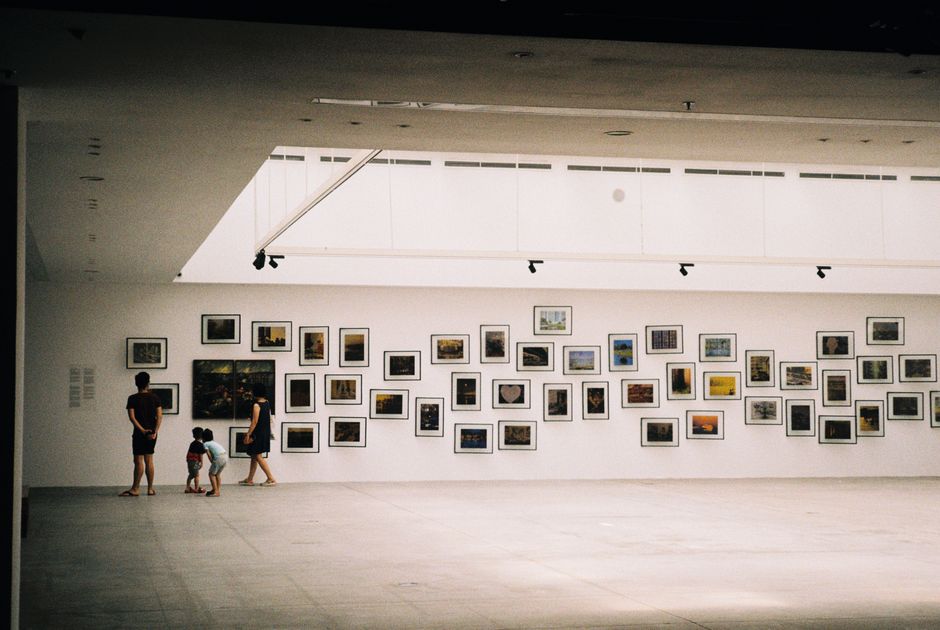
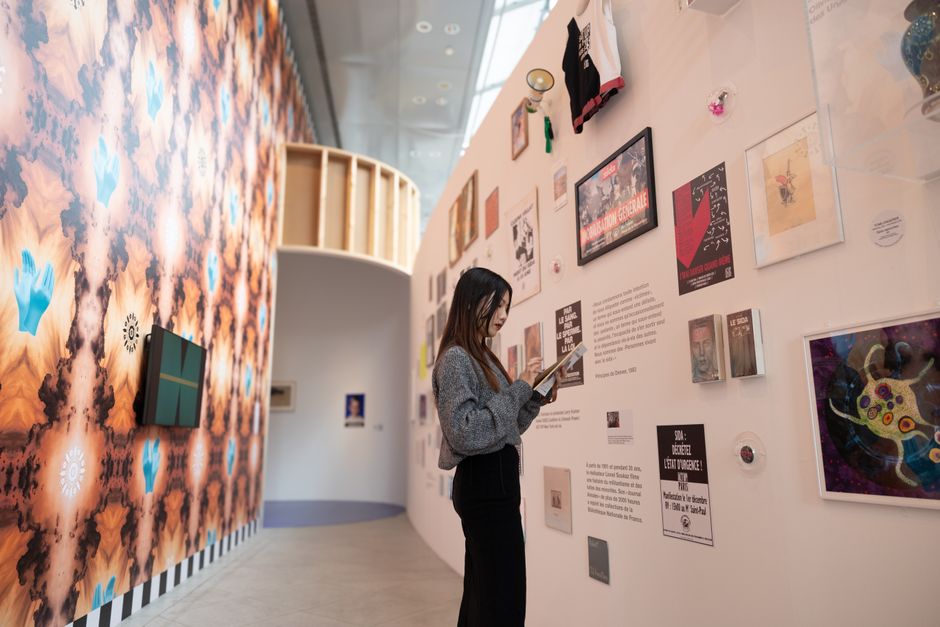
A clutch of emerging historians and cultural workers under 35 are shifting how Brisbane tells its own story. They're not waiting for institutional blessing. They're publishing podcasts from spare bedrooms, mounting exhibitions in Fortitude Valley warehouses, and interrogating archival records that previous generations left in boxes.
This matters now because Brisbane's cultural identity remains oddly unsettled for a city of 2.5 million people. The city spent decades chasing a Queensland-wide identity built on beaches and breezy informality. Meanwhile, serious examination of what actually happened here—on the Brisbane River, in South Brisbane factories, on Turrbal and Jagera Country—got filed away in academia or left to tourism boards. The generation now coming of age has inherited a heritage conversation that feels incomplete.
Take the work of researchers at the South Brisbane Historical Society, a volunteer-run outfit that meets monthly near the Goodwill Bridge. They've been conducting oral histories with former manufacturing workers, recording what life looked like in the 1970s and 1980s when South Brisbane was a working industrial zone. Nearby, at the State Library of Queensland on William Street, a cohort of early-career archivists has been digitising materials from the 1964 floods and cross-referencing them with climate data—an exercise that produces uncomfortable parallels with contemporary flood management debates.
The work is scattered and unfunded in the traditional sense. A 2024 survey by the Brisbane Cultural Institute found that just 3.2 per cent of Queensland-based heritage organisations reported having staff under 30 in permanent positions. Yet younger practitioners are finding workarounds. Self-publishing, community grants, and networks like the Brisbane Young Curators Forum—which meets quarterly at venues across Paddington and New Farm—are creating alternative pathways.
Indigenous Stories and Colonial Gaps
The most visible shift concerns how Brisbane's Indigenous heritage gets presented. Several emerging researchers are collaborating directly with Turrbal and Jagera elders on projects that sit outside traditional museum frameworks. These aren't extraction exercises. The collaborations operate on the principle that knowledge holders lead, and outsiders document and amplify.
One project based loosely around the Brisbane Valley developed an interactive map marking significant sites and stories across inner-city suburbs—data that the official Brisbane city heritage register barely touches. The work exists partly online, partly as community walking tours. A younger generation of Brisbane residents now knows, for instance, that Kangaroo Point—a suburb marketed primarily for its climbing walls and restaurants—has deep significance in Turrbal cosmology, a detail conspicuously absent from most tourism materials.
What Comes Next
The bottleneck remains funding and institutional recognition. Queensland Council for the Arts grants favour established organisations. University history departments are contracting, not expanding. Yet demand from the public is real. Walking tours exploring Brisbane's hidden histories routinely fill up weeks in advance. The City of Brisbane's Heritage Grant Program allocated $280,000 in 2025, but the application process remains opaque to freelancers and micro-collectives.
For anyone watching Brisbane's cultural direction, watch the next round of Queensland Heritage Council decisions. More crucially, pay attention to what gets mounted in smaller venues—the Powerhouse in Fortitude Valley, artist-run spaces in Woolloongabba, and independent bookshops like The Bookshop Darlinghurst. That's where the actual inheritance of Brisbane's story is being argued over, reframed, and claimed by people who grew up here and refuse to accept the official version as final.