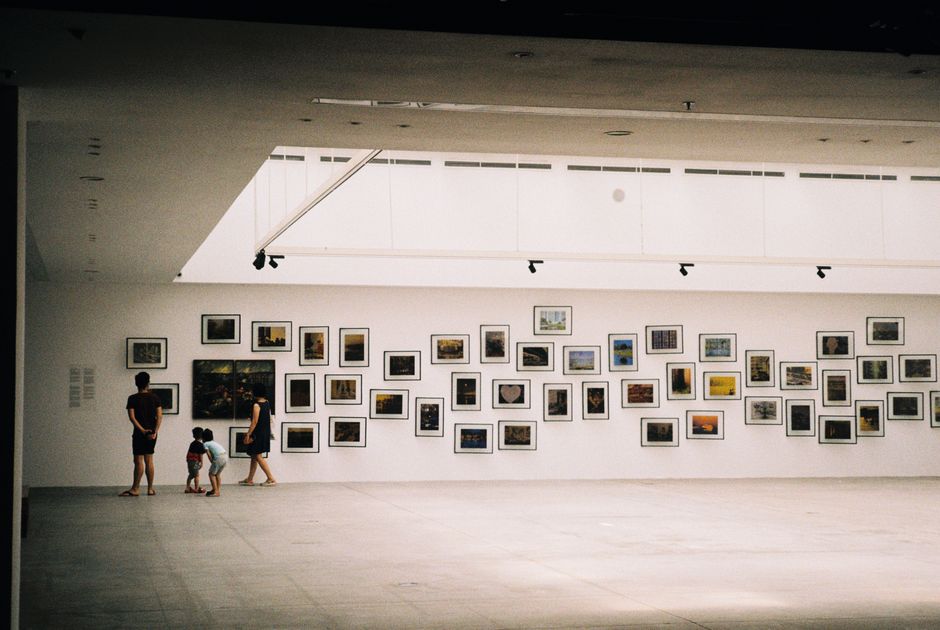
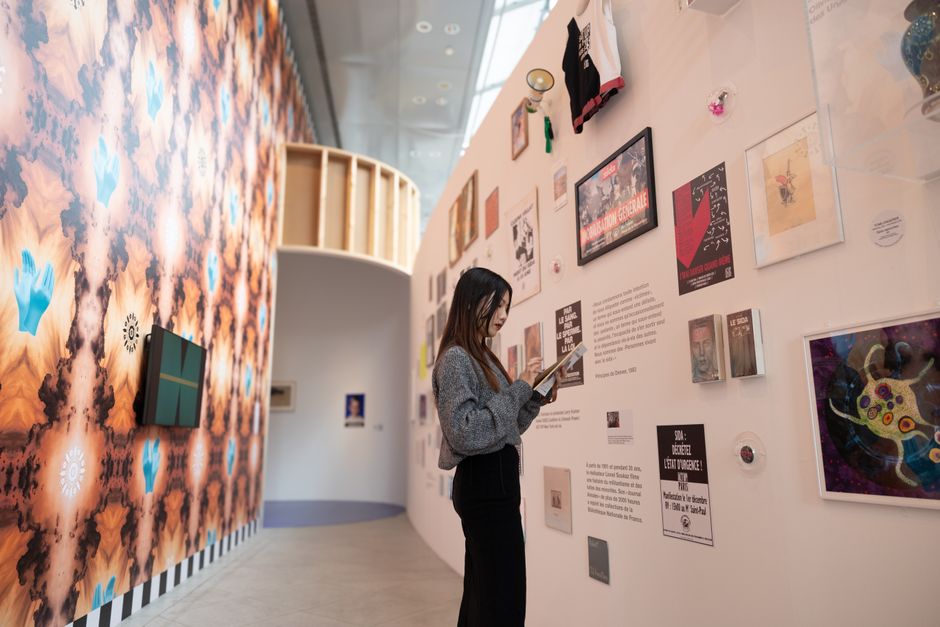
Brisbane's museum and gallery sector has undergone a quiet revolution over the past twenty years, shedding its reputation as a regional afterthought and establishing itself as a serious cultural destination. The transformation accelerated sharply after the 2008 financial crisis, when institutions across South Bank and the CBD began competing aggressively for visitors and funding in ways unthinkable a generation earlier.
The timing matters now because Brisbane faces a critical inflection point. The city's population continues climbing toward 2.7 million, but cultural institutions haven't kept pace with infrastructure investment. Major galleries report record operating costs—utilities alone have jumped 34 percent since 2022—while visitor numbers plateau and government funding remains flat. The question facing curators and directors isn't whether the scene will survive, but whether it will stagnate or continue evolving.
The South Bank Transformation
South Bank Parklands has always anchored Brisbane's cultural identity, but the precinct looked radically different two decades ago. The Gallery of Modern Art opened its doors on December 3, 2006, fundamentally reshaping what the city offered. Before that date, serious contemporary art collectors and serious artists mostly bypassed Brisbane entirely. GOMA's arrival, alongside the Queensland Museum's renovation, signaled that the city was no longer content with second-tier status.
The Art Gallery of Queensland, which sits adjacent to GOMA on South Bank, began its own aggressive acquisition program around the same period. The gallery now holds 14,500 works—nearly double the collection size of 2005. Entry costs $25 for general admission to special exhibitions, a price point that reflects the institution's growing ambition and rising operational demands.
The cultural precinct generated $347 million in economic activity in the 2023-24 financial year, according to figures released by South Bank Corporation. That number would have seemed fantastical in 2004. Yet those revenues mask a harder reality: the institutions themselves operate on increasingly threadbare margins. Grants from state and federal governments have failed to grow proportionally with attendance and programming costs.
Beyond the South Bank Bubble
The real evolution extends far beyond South Bank. The Museum of Brisbane, housed inside City Hall on King George Square, opened to the public in 2008 and became an unexpected magnet for local history buffs and tourists alike. Unlike the major galleries with their international touring exhibitions, Museum of Brisbane focuses relentlessly on telling the city's own story—flood recovery, Dreaming histories, urban development across the 1970s and 1980s boom years.
Meanwhile, smaller independent galleries have proliferated across Fortitude Valley and New Farm. The Valley's Arterial Contemporary and New Farm's Newstead House (operated by the National Trust) represent a different model: intimate, specialist, often artist-run spaces that cater to serious collectors rather than mass audiences. These venues don't generate headline visitor numbers. They generate the ecosystem that keeps creative practice alive in the city.
What distinguishes Brisbane's evolution from equivalent cities like Perth or Adelaide isn't simply spending or collection size. It's the deliberate decision by major institutions to position themselves as working museums and galleries rather than temples. GOMA hosts artist talks and experimental programming. The Queensland Museum runs community programs across neighborhoods as far south as Waterford and west to Wacol.
The challenge now is sustainability. Rising electricity costs, staff turnover as professionals migrate to Sydney and Melbourne for larger opportunities, and the slow drift of private donors toward national institutions in larger cities all press against the gains of the past two decades. Brisbane's cultural scene grew because the city invested deliberately and consistently. Maintaining that trajectory requires the same sustained commitment from government, philanthropic institutions, and corporate sponsors willing to back local culture through flat visitor years and uncertain economic cycles.