Brisbane's gallery and museum circuit: what visitors need to know before heading out
As cultural institutions compete for audience attention, here's your guide to the city's must-see art spaces and what they're showing right now.
As cultural institutions compete for audience attention, here's your guide to the city's must-see art spaces and what they're showing right now.
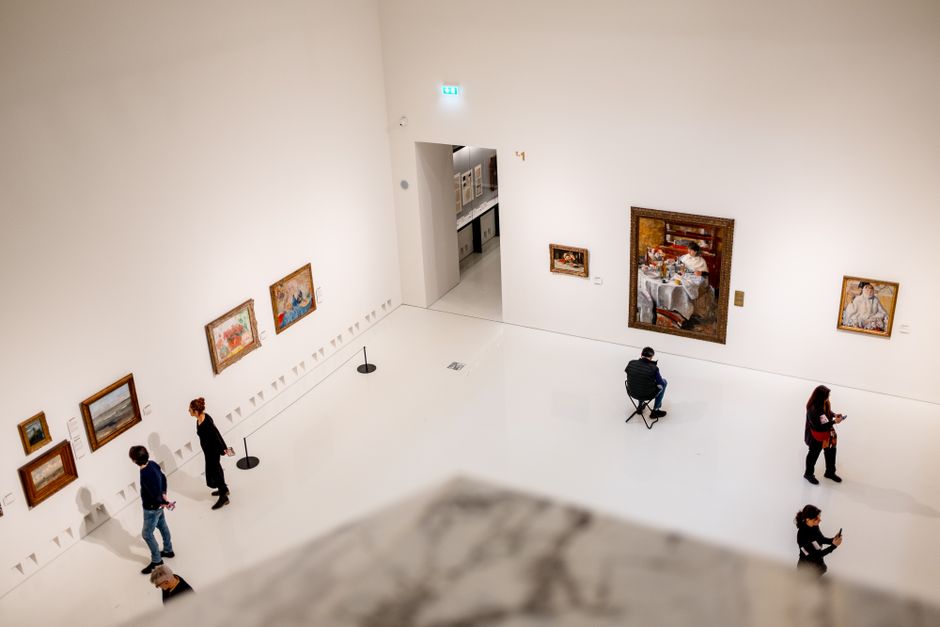
Brisbane's visual arts calendar just shifted into high gear, with major institutions launching winter programming that ranges from contemporary photography to Indigenous design. If you're planning to navigate the city's gallery and museum scene this season, timing matters—some exhibitions close before spring, and a few venues have adjusted their opening hours.
The timing is significant. After the property market slowdown that's kept many Australians' minds fixed on mortgages and rental costs, cultural venues are seeing renewed footfall as people seek experiences that don't require real estate speculation. Gallery visits have become a default summer activity in Brisbane, and the July-to-September window typically sees crowds peak before the December holiday crush.
Start with the Gallery of Modern Art at South Bank, which anchors the city's cultural precinct alongside the Queensland Museum. GOMA's current winter exhibitions occupy three levels, and entry sits at $20 for general admission—though Queensland residents get $15 access on Saturdays. The South Bank parklands themselves function as an open-air gallery extension, with public art installations dotted across the lawns between Kangaroo Point Cliffs and Grey Street.
The Institute of Modern Art on Ann Street in Fortitude Valley operates on a different model. It's smaller, independent, and frequently rotates exhibitions every four to six weeks. Admission is free, though donations are encouraged. The IMA focuses on emerging Australian artists and experimental work, so you'll often find pieces here before they reach larger institutions. The precinct around Fortitude Valley has developed considerably—street-level cafes and independent bookshops now cluster within two blocks, making a gallery crawl viable without driving between venues.
For something more specialist, the Glasshouse at Port Jackson holds rotating contemporary craft exhibitions in a heritage industrial building. It's worth the drive north if you're interested in ceramics, textiles, or glass work. The venue only opens Thursday through Sunday, so plan accordingly.
The Queensland Museum recorded 1.4 million visits last financial year, with school holidays accounting for roughly 40 percent of that traffic. That means early July is peak season for families. The museum's recently expanded Indigenous Australian gallery is essential viewing—it occupies the entire first wing and represents the most significant Indigenous curatorial project the institution has undertaken in a decade.
Budget at least three hours for GOMA alone if you're approaching it seriously. Most visitors allocate ninety minutes and feel rushed. The Queensland Museum typically requires two visits to properly absorb: one for the permanent collections and a second for temporary exhibitions. If you've got limited time, prioritize the Indigenous gallery and whatever contemporary photography exhibition GOMA is currently showing—these rotate quarterly and sometimes don't travel beyond Brisbane.
Parking near South Bank Parklands fills early on weekends. Arrive before 10 a.m. or use the cultural precinct carpark on Grey Street, which costs $8 for three hours. Public transport via the South Bank Station is reliable and included in standard TransLink fares.
Most galleries close by 5 p.m. on weekdays, though GOMA and the Queensland Museum stay open until 9 p.m. Wednesdays. This matters if you work standard office hours. Check individual venue websites before visiting—the Glasshouse has altered its hours twice this year already.
Brisbane's gallery scene reflects the broader Australian push toward more inclusive programming. You'll notice accessibility information listed clearly on institutional websites now, parking facilities for disabled visitors are marked prominently, and most venues offer free or reduced-price entry on specific community days. Plan your visit accordingly if budget is a concern. The real gap? Air-conditioned rest areas remain limited. Bring water.
Advertise
Reach thousands of Brisbane readers daily. Contact us at hello@dailybrisbane.com.au to advertise.
Get in touch →Daily Network
About this article
Published by The Daily Brisbane
Daily brief
Free, in your inbox before 7am. Weekdays.
More from The Daily Brisbane