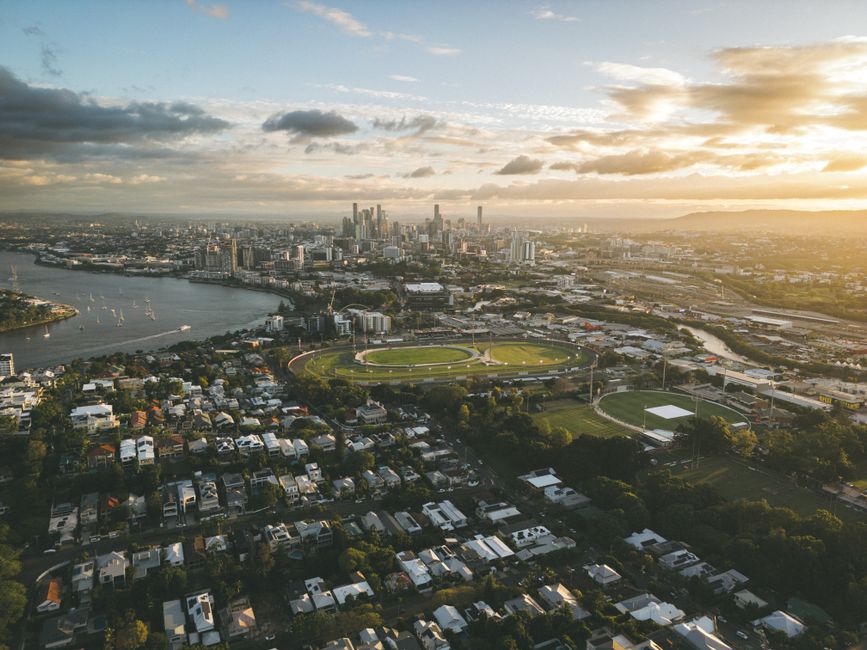
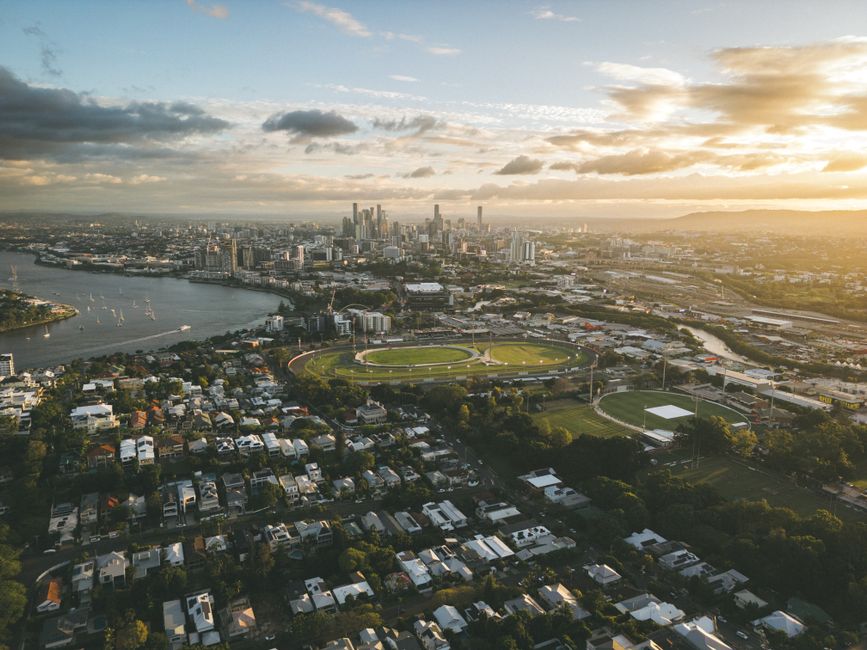
Why Brisbane's Remote Work Culture is Redefining Tech Hubs Globally
As the world embraces distributed teams, Brisbane's unique blend of lifestyle, affordability and collaborative spaces is attracting talent away from Silicon Valley.
As the world embraces distributed teams, Brisbane's unique blend of lifestyle, affordability and collaborative spaces is attracting talent away from Silicon Valley.
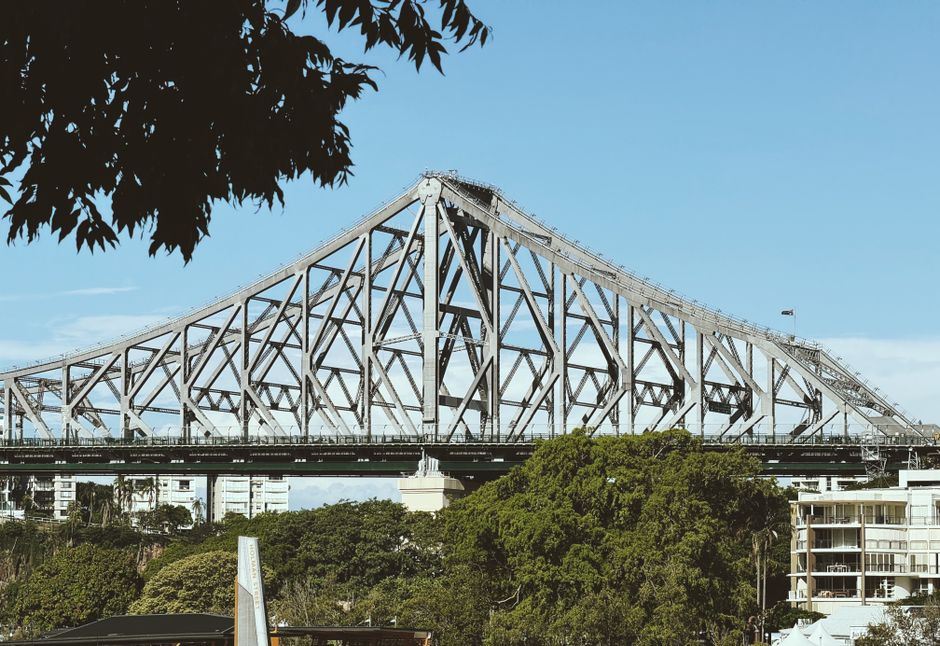
Brisbane's tech scene has quietly become a global outlier. While San Francisco and London dominate venture capital headlines, this subtropical city is carving a distinctive niche by proving that world-class innovation doesn't require cramped high-rises or six-figure salaries.
The shift is visible across the precinct. South Bank's digital corridor now hosts over 1,200 tech companies, many operating hybrid or fully remote models. Coworking spaces like River City Labs in Fortitude Valley and hub.space across multiple locations have become less about desk rental and more about community infrastructure—offering members access to mentorship networks, industry events and collaboration opportunities that rival major international hubs.
What sets Brisbane apart is economic reality. A one-bedroom apartment in Paddington costs around $2,200 monthly, compared to $3,500 in Sydney or $4,000+ in Melbourne. For remote workers earning US or UK salaries, this calculus is revolutionary. Simultaneously, the cost of operating a startup here remains competitive globally: office space in Woolloongabba averages $400 per square metre annually, undercutting most peer cities.
The lifestyle factor cannot be overstated. Brisbane's 300 days of annual sunshine, proximity to Moreton Bay beaches, and relatively stress-free urban living appeal to professionals fatigued by traditional tech hub intensity. The city's cultural renaissance—expanding theatre precincts, craft brewery culture, and weekend access to hinterland escapes—creates what researchers call the "quality of life arbitrage." Workers achieve professional ambition without sacrificing personal wellbeing.
This is attracting international attention. Regional tech reports increasingly feature Brisbane alongside Austin, Lisbon and Montréal as "second-tier cities" reshaping global work patterns. Australian Bureau of Statistics data shows Queensland's tech workforce grew 23% between 2020-2025, significantly outpacing national averages.
The ecosystem's maturity matters too. The Queensland Government's investment in digital infrastructure, universities like QUT and UQ producing specialised tech talent, and established venture firms like River Cities Capital creating pathways for founders means Brisbane isn't simply importing remote workers—it's developing indigenous innovation capacity.
Yet challenges remain. Internet reliability and timezone friction with European clients require infrastructure investment. Talent retention demands sustained local investment in advanced roles, not just entry-level positions.
Still, as companies reassess permanent office commitments post-2026, Brisbane's distinctive formula—affordability meeting liveability, community trumping corporate polish—is proving unexpectedly competitive. In an era when work happens everywhere, cities that make everywhere feel like somewhere worth being are winning.
This article was compiled by AI from the sources linked above and screened before publishing. See our editorial standards.
Sponsored
Lorem ipsum dolor sit amet, consectetur adipiscing elit. Reach engaged Brisbane readers with sponsored placements that look and feel like the rest of the paper.
Become a partner →Daily Network
About this article
Published by The Daily Brisbane
Daily brief
Free, in your inbox before 7am. Weekdays.
More from The Daily Brisbane