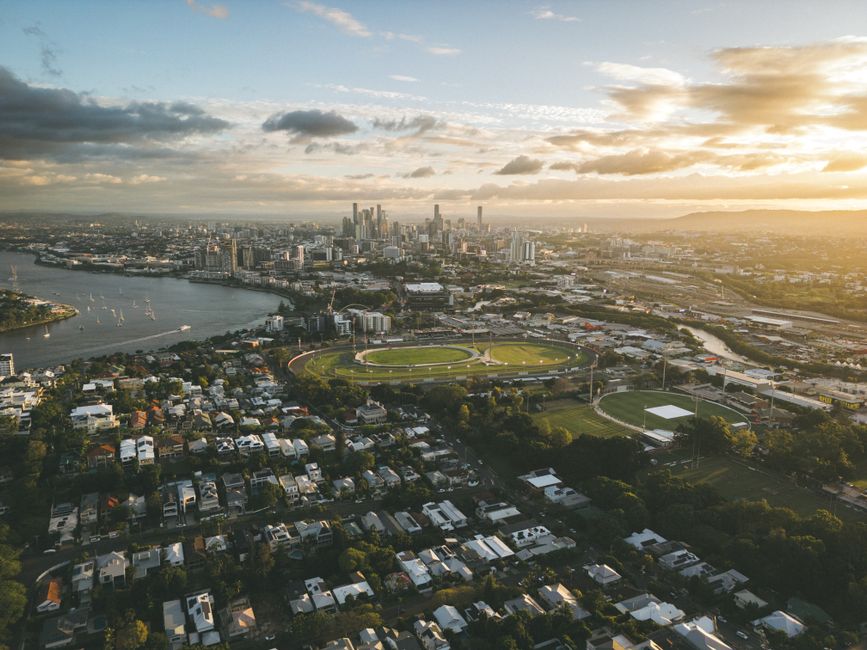
Brisbane's transformation into a smart city is accelerating. The City Council has committed $180 million to digital infrastructure upgrades across South Bank, the CBD and emerging precincts like Fortitude Valley. Yet beneath the glossy promise of real-time traffic optimisation, predictive maintenance and seamless citizen services lies a complex web of ethical questions that planners and technologists are only beginning to grapple with.
The vision is compelling: sensors embedded in roads around the Story Bridge and throughout Southbank Parklands would feed data into AI systems that optimise traffic flow, reduce congestion and lower emissions. Smart water management systems could cut waste. Integrated digital platforms might streamline council services. On paper, Brisbane could become a template for sustainable urban living.
But the devil, as always, lurks in the details. Who owns the vast amounts of data being harvested from Brisbane residents as they move through the city? How is algorithmic decision-making—increasingly used to allocate resources, plan services, even identify areas of concern—being audited for bias? And crucially, who bears the burden if things go wrong?
"Smart cities by design benefit those with access to technology," says digital policy researcher at Queensland University of Technology. "Without deliberate intervention, you risk deepening divides between connected and disconnected communities." Brisbane's outer suburbs—Inala, Darra, Logan—lag significantly behind inner precincts in broadband quality and digital literacy. Automating services without ensuring universal access could leave vulnerable residents behind.
Privacy advocates have raised concerns about the creeping surveillance infrastructure embedded in smart city projects globally. Brisbane's proposed integration of council systems with transport data, CCTV networks and commercial sensors creates centralised repositories of personal movement patterns. The 2024 Data Security Report highlighted that Australian local governments face growing cyber threats; a breach could expose sensitive citizen information.
Then there's the transparency question. How many Brisbanites understand what data Council is collecting, why, and how it's being used? The smart city rollout has proceeded with limited public consultation. Decisions about algorithms influencing service delivery—which parks get maintained, which neighbourhoods receive investment—are often opaque.
Brisbane's tech ambitions are genuine and partly necessary. But rushing toward smart city status without addressing governance, equity and accountability could mean building a sophisticated system that serves some Brisbanites brilliantly while leaving others in the dust. The real test of smart city success won't be the technology—it'll be whether digital progress makes Brisbane smarter for everyone, or just more complex.
This article was compiled by AI from the sources linked above and screened before publishing. See our editorial standards.