Brisbane's Tech Boom Fuelled by Record Venture Capital: How Local Innovation Hubs Are Attracting Millions
Investment in Queensland's startup ecosystem has surged 45% year-on-year, with South Bank and Fortitude Valley emerging as unexpected powerhouses in the competition for venture funding.
Brisbane's technology sector is experiencing an unprecedented growth surge, driven by a dramatic influx of venture capital that has transformed the city's innovation landscape. Data from the Queensland Technology and Innovation Council reveals that local startups attracted $487 million in funding during the first half of 2026—a significant jump from $336 million in the same period last year.
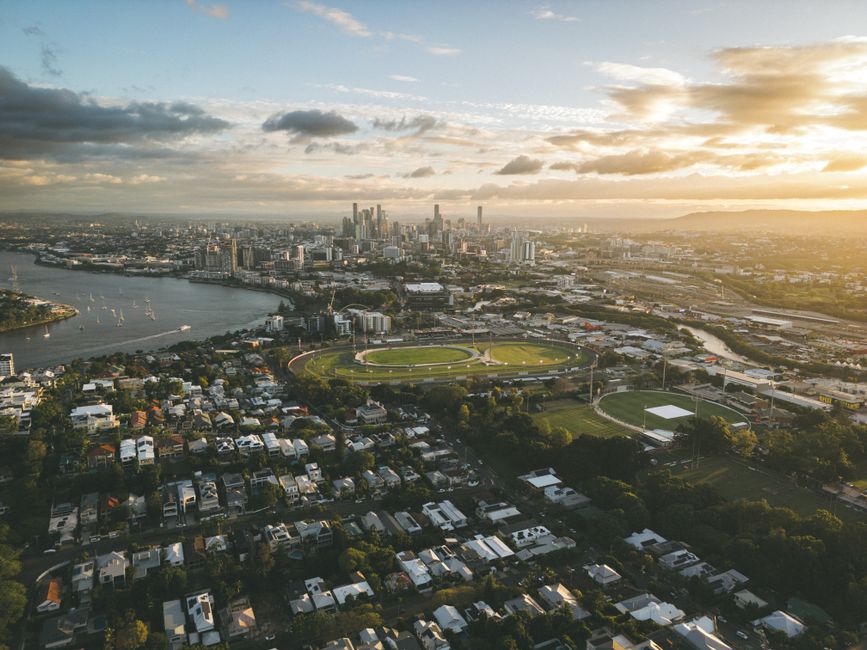
The investment boom is reshaping neighbourhoods across the city. Fortitude Valley, traditionally known for creative industries, has become home to over 120 tech startups, with property values in the precinct climbing 28% as venture capital firms and corporate accelerators establish offices along Brunswick Street and nearby laneways. Meanwhile, South Bank has cemented its position as a research and development hub, with the Queensland Museum's innovation district attracting partnerships from major multinational technology companies seeking proximity to local talent and universities.
"What we're seeing is a virtuous cycle," explains the Queensland Technology Industry Association. The availability of skilled workers from the University of Queensland and Queensland University of Technology, combined with lower operational costs than Sydney or Melbourne, has made Brisbane increasingly attractive to both domestic and international investors. Average office space on Grey Street now commands $385 per square metre annually—still 30% cheaper than comparable Melbourne CBD locations.
Government incentives have played a crucial role. The Queensland Startup Grants program distributed $22 million to emerging companies in 2025, while the Advance Queensland initiative committed an additional $45 million for innovation projects. These funding streams have supported companies across fintech, health tech, and artificial intelligence sectors, with particular strength in agricultural technology and renewable energy solutions.
Coworking spaces have proliferated accordingly. Venues like those clustered around Eagle Street and King George Square now host over 2,000 workers daily, up from roughly 400 in 2023. This density is creating the collaborative ecosystems that venture capitalists view as essential for successful exits and scaling operations.
Industry observers note that Brisbane's relative anonymity compared to Sydney's tech establishment has paradoxically become an advantage. "Founders here face less hype and more mentorship," the technology council notes. This pragmatic approach is attracting investors tired of inflated valuations in larger markets.
Looking ahead, projections suggest the sector could attract $800 million annually by 2028, positioning Brisbane among Australia's top three technology investment destinations. The transformation represents more than economic opportunity—it signals a fundamental shift in how Australia's tech talent and capital are distributed beyond traditional eastern seaboard powerhouses.
This article was compiled by AI from the sources linked above and screened before publishing. See our editorial standards.
Sponsored
SponsoredPromoted by a Brisbane partner
Partner Content
Lorem ipsum dolor sit amet, consectetur adipiscing elit. Reach engaged Brisbane readers with sponsored placements that look and feel like the rest of the paper.