Brisbane's Hidden Edge: Why This City's Tech Ecosystem Leads Global Cybersecurity Innovation
As geopolitical tensions reshape digital security priorities, Brisbane's collaborative approach to privacy protection is attracting world attention.
As geopolitical tensions reshape digital security priorities, Brisbane's collaborative approach to privacy protection is attracting world attention.
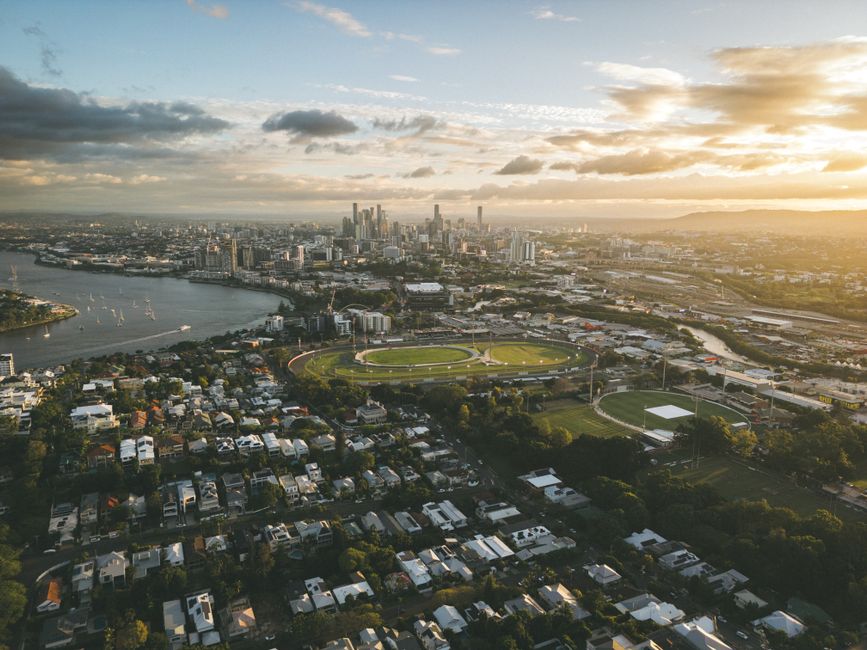
While Silicon Valley dominates headlines, Brisbane is quietly building something different—a cybersecurity ecosystem defined less by venture capital velocity and more by rigorous privacy-first thinking.
The distinction matters now more than ever. Recent global instability has intensified corporate focus on data sovereignty and encrypted communications. Brisbane's tech community, concentrated around Fortitude Valley and the South Bank precinct, has positioned itself as the antidote to surveillance-heavy infrastructure.
"Brisbane's advantage lies in our regulatory environment combined with geographic isolation," explains the city's growing cluster of privacy-focused startups and established security firms. Unlike tech hubs positioned within contested geopolitical zones, Brisbane operates at arm's length from many of the tensions reshaping global digital trust. This hasn't gone unnoticed: cybersecurity firms relocating from Singapore and Sydney increasingly cite Brisbane's lower operational costs—office space in Fortitude Valley runs roughly 30-40% cheaper than comparable CBD districts—alongside its collaborative tech community.
The Queensland University of Technology's Cybersecurity Lab has become a magnet for talent, while the Brisbane Innovation Hub on Wickham Terrace hosts monthly security workshops drawing participants from across the Asia-Pacific region. This isn't Silicon Valley's move-fast-and-break-things ethos. It's methodical, consensus-driven, and increasingly attractive to enterprises handling sensitive data.
Three factors distinguish Brisbane's approach globally. First, the city's strong ties to Australian Defence Force research institutions create rigorous security standards without the bureaucratic gridlock that can paralyse other hubs. Second, Brisbane's multicultural population—with significant communities from India, China, and Southeast Asia—naturally diversifies threat modelling conversations that elsewhere remain Western-centric. Third, the relatively tight-knit nature of the local tech scene encourages knowledge-sharing; competitors here collaborate on baseline security standards.
The city isn't immune to global pressures. Recent geopolitical uncertainty has prompted Brisbane-based firms to diversify client bases and review supply chains. Yet this pressure has accelerated rather than deterred innovation. Companies like those clustered around the Queen Street precinct are now attracting international clients precisely because they've built privacy infrastructure from first principles rather than retrofitting it onto existing platforms.
As Fortune 500 companies reassess their digital security strategies in an increasingly fractured world, Brisbane's combination of technical excellence, regulatory clarity, and collaborative culture offers something rare: a trusted alternative to the usual poles of innovation. It's not flashy. But in cybersecurity, that's increasingly the point.
This article was compiled by AI from the sources linked above and screened before publishing. See our editorial standards.
Daily Network
About this article
Published by The Daily Brisbane
Daily brief
Free, in your inbox before 7am. Weekdays.
More from The Daily Brisbane